


Where Vision Becomes Material
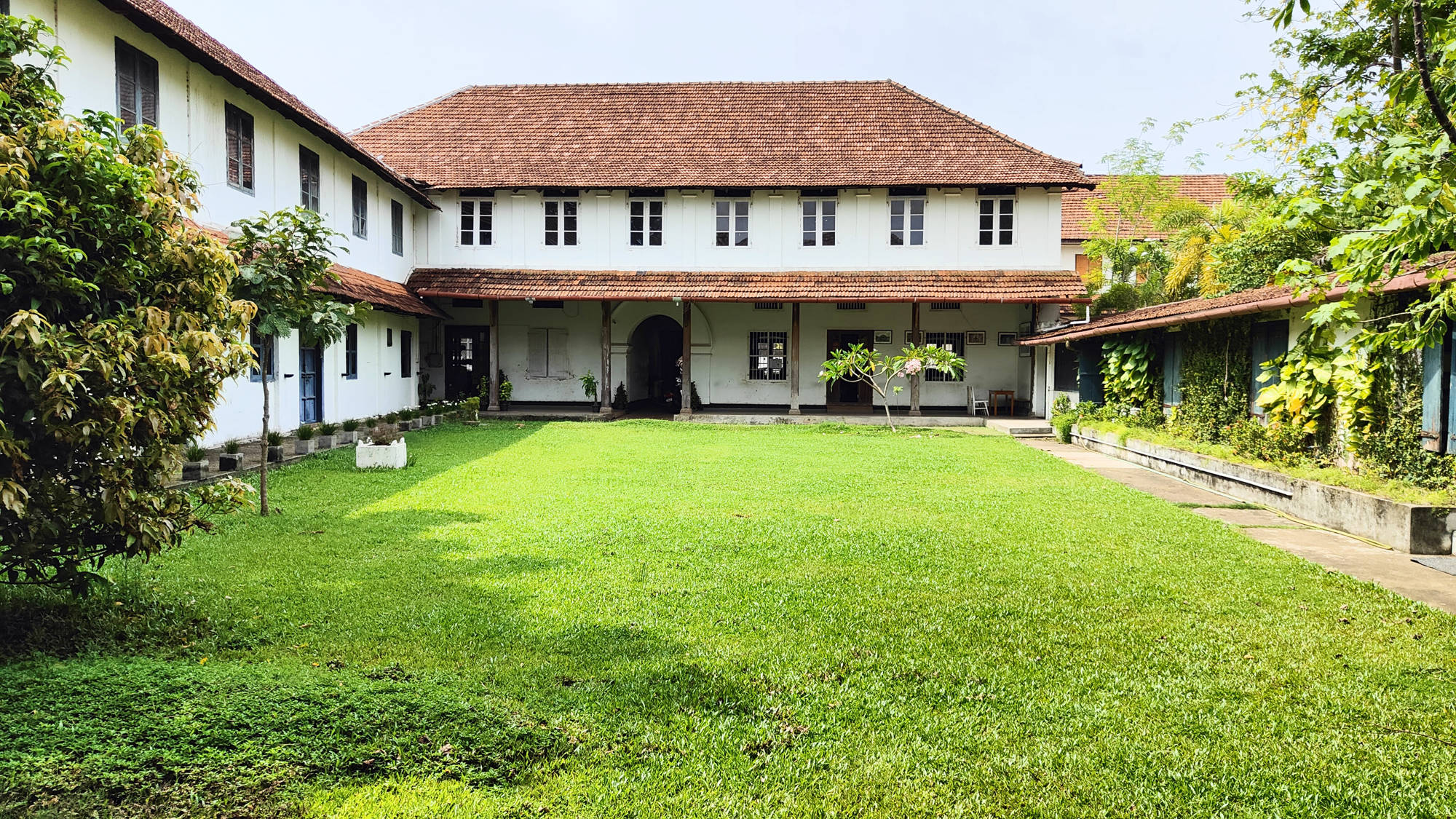
Mario & Casa begins with the artistic vision of designer Mario Gagliardi, yet every object reaches its full expression through the craftspeople who give that vision physical form. Working with ateliers whose traditions have been refined across centuries, he brings contemporary ideas into dialogue with accumulated knowledge. The process belongs to an ancient lineage: the passage from thought to matter, from drawing to object, from imagination to something that can be touched, inhabited and lived with.
This collaboration is a continuing exchange. Sketches, proportions, colors and material choices encounter the intelligence of the hand. Craftspeople read grain, tension, density, weight and surface through knowledge acquired by experience. A piece of wood suggests its limits; a textile reveals how it wishes to fall; metal responds to heat, pressure and patience. The material is never a passive recipient of an idea. It becomes part of the conversation.
Each piece is made individually and in a strictly limited edition. Subtle variations remain as traces of this encounter between intention, material and hand. They are evidence of a process in which judgment accompanies every stage of making. The finished object carries the precision of Mario Gagliardi's design together with something less measurable: the presence of its own becoming.
This collaboration is a continuing exchange. Sketches, proportions, colors and material choices encounter the intelligence of the hand. Craftspeople read grain, tension, density, weight and surface through knowledge acquired by experience. A piece of wood suggests its limits; a textile reveals how it wishes to fall; metal responds to heat, pressure and patience. The material is never a passive recipient of an idea. It becomes part of the conversation.
Each piece is made individually and in a strictly limited edition. Subtle variations remain as traces of this encounter between intention, material and hand. They are evidence of a process in which judgment accompanies every stage of making. The finished object carries the precision of Mario Gagliardi's design together with something less measurable: the presence of its own becoming.
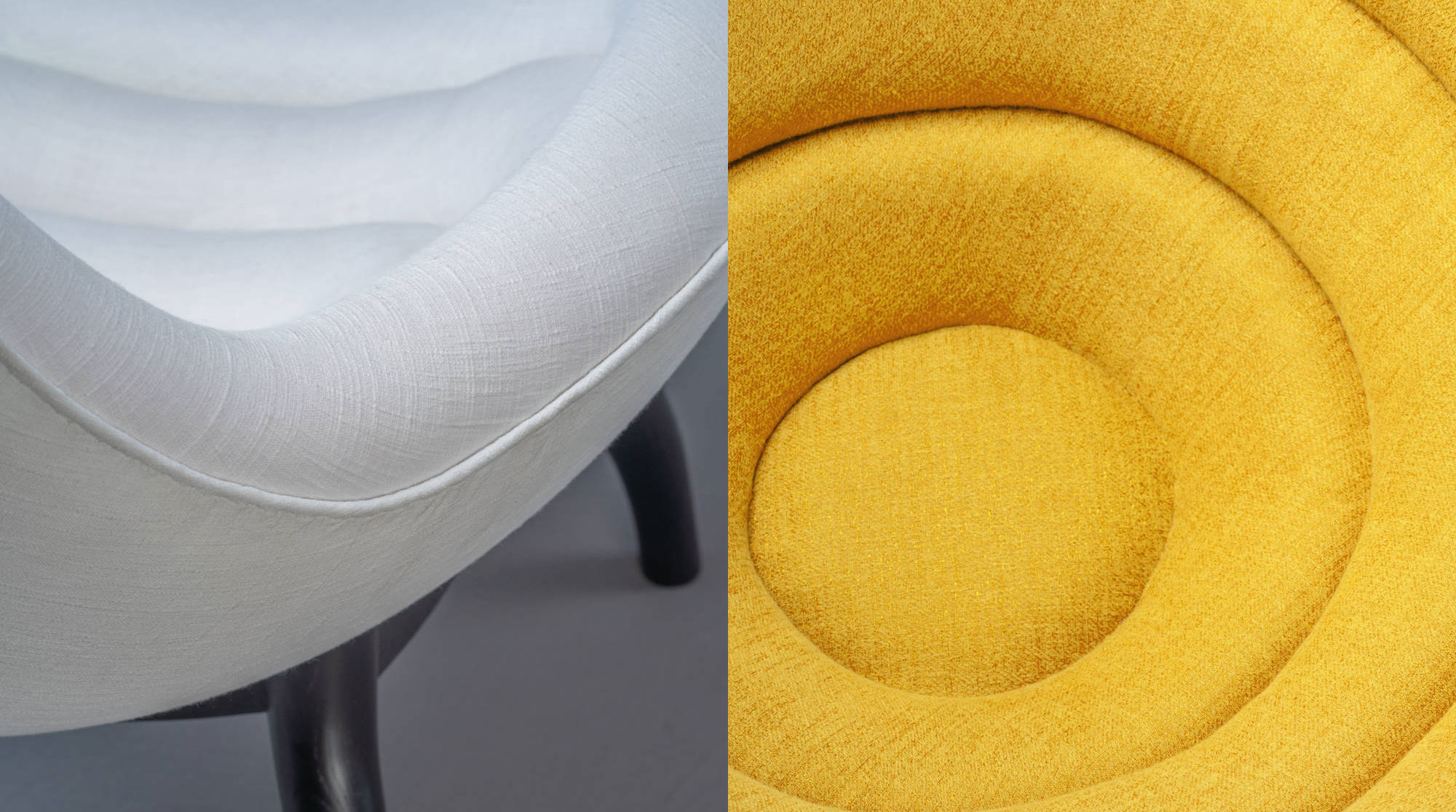
For our upholstery, form and comfort are conceived as one continuous idea. Individually sculpted padding and hand-stitched covers are assembled through elaborate traditional methods, allowing the internal architecture of a chair to determine the experience of the body. Mario & Casa fabrics complete the composition, bringing structure, touch, rhythm and color into a single expression. Comfort becomes more than softness; it becomes an understanding of how an object receives the human presence.
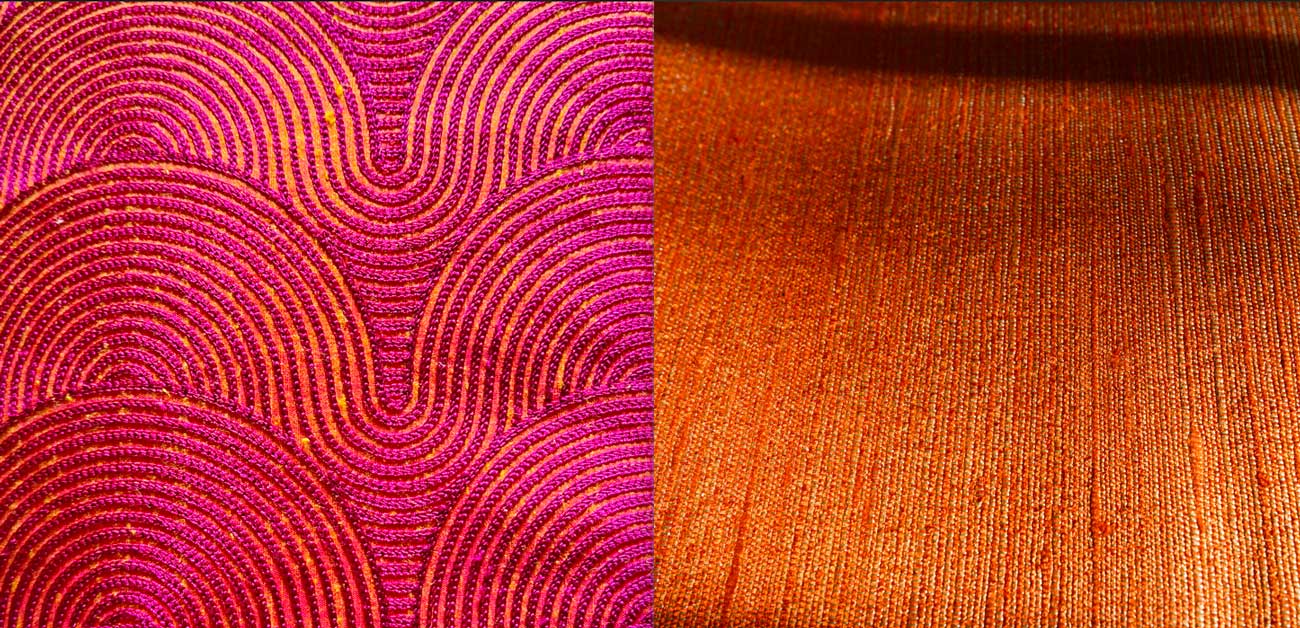
Our fabrics are developed in sympathy with the character of their fibers. Rare silks are handwoven on wooden looms, natural cottons are hand-dyed, and specially developed blends are composed to reveal the particular qualities of each material. Textile has always occupied a territory between utility and art, carrying color, symbolism and cultural memory through civilizations. Here, that history becomes the starting point for a contemporary exploration of depth, movement and touch. The surface is designed to change subtly with light, use and time.
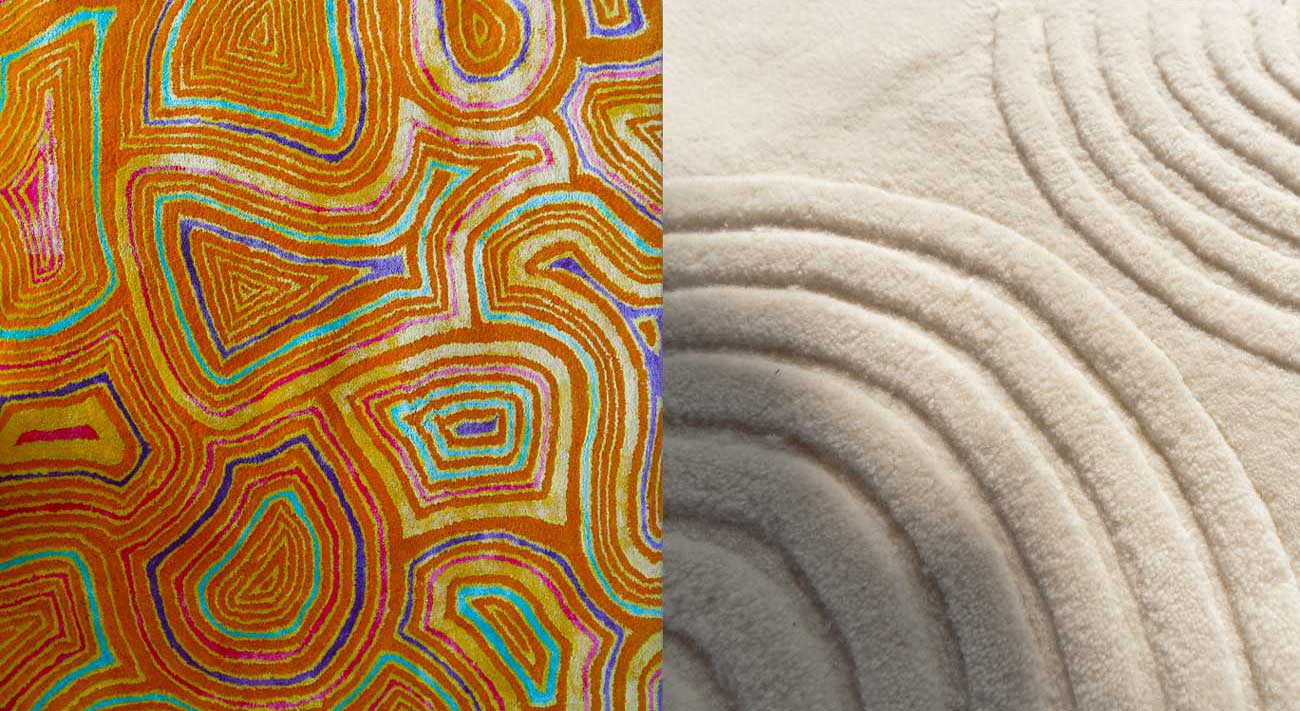
Our rugs are handwoven or hand-tufted in 100% New Zealand wool or pure cotton. Intricate material inlays and masterful carving give patterns definition, luster and architectural depth. A rug occupies a curious place between image and space: it can be read as a composition from above, yet it is experienced physically through movement, touch and proximity. The artisan must understand how a drawn line transforms into pile, how neighboring colors alter one another, how light moves across different heights of fiber, and how a pattern changes when enlarged to the scale of a room.
De Caldes Unique creates a bridge between two seemingly distant territories: the immediacy of digital creation and the patient intelligence of traditional rug-making. The interactive studio allows a design to remain fluid while it is being discovered. Pattern, proportion, color, dimensions and shape can be altered, tested and viewed within a simulated interior, turning design into a process of exploration rather than selection.
Yet a digital image is still an idea awaiting matter. Color behaves differently in yarn than it does in light emitted from a screen. A geometric line acquires softness, shadow and irregularity when translated into pile. Carving changes the way an edge catches light; weave changes rhythm; scale changes perception. The transition from pixels to fibers is therefore an act of interpretation, dependent upon the sensitivity and judgment of experienced craftspeople.
The process brings together two forms of intelligence. Digital tools offer immediacy, variation and the freedom to explore possibilities. The workshop contributes material knowledge, patience and the ability to recognize nuances that cannot be calculated in advance. One allows the idea to move quickly; the other allows it to acquire depth.
De Caldes Unique expresses Mario Gagliardi's wider philosophy of design as a shared creative field. The designer establishes a visual language and a constellation of possibilities; the client introduces personal intuition, memory and architectural context; the artisan interprets their dialogue through material. Authorship becomes plural without losing coherence. Customization becomes participation, and participation becomes a genuine act of creation.
Yet a digital image is still an idea awaiting matter. Color behaves differently in yarn than it does in light emitted from a screen. A geometric line acquires softness, shadow and irregularity when translated into pile. Carving changes the way an edge catches light; weave changes rhythm; scale changes perception. The transition from pixels to fibers is therefore an act of interpretation, dependent upon the sensitivity and judgment of experienced craftspeople.
The process brings together two forms of intelligence. Digital tools offer immediacy, variation and the freedom to explore possibilities. The workshop contributes material knowledge, patience and the ability to recognize nuances that cannot be calculated in advance. One allows the idea to move quickly; the other allows it to acquire depth.
De Caldes Unique expresses Mario Gagliardi's wider philosophy of design as a shared creative field. The designer establishes a visual language and a constellation of possibilities; the client introduces personal intuition, memory and architectural context; the artisan interprets their dialogue through material. Authorship becomes plural without losing coherence. Customization becomes participation, and participation becomes a genuine act of creation.
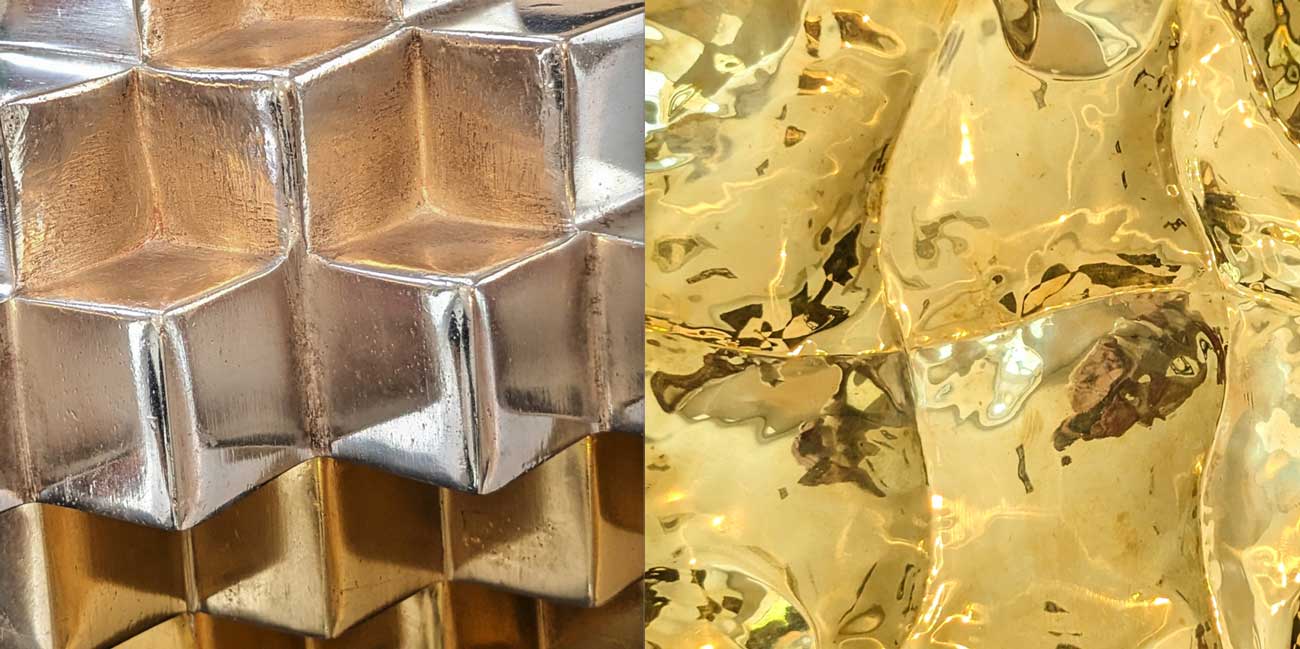
Our brass and silver objects are hand-cast or hand-hammered, welded and polished through processes whose origins reach deep into the history of decorative and applied arts. Metal possesses its own paradox: it can appear permanent and monumental, yet under the hand it becomes remarkably responsive. Hammering leaves rhythm within the surface; polishing gathers light; minute irregularities reveal the gestures through which the object was formed. Every stage contributes to its structure, luminosity and individual presence.
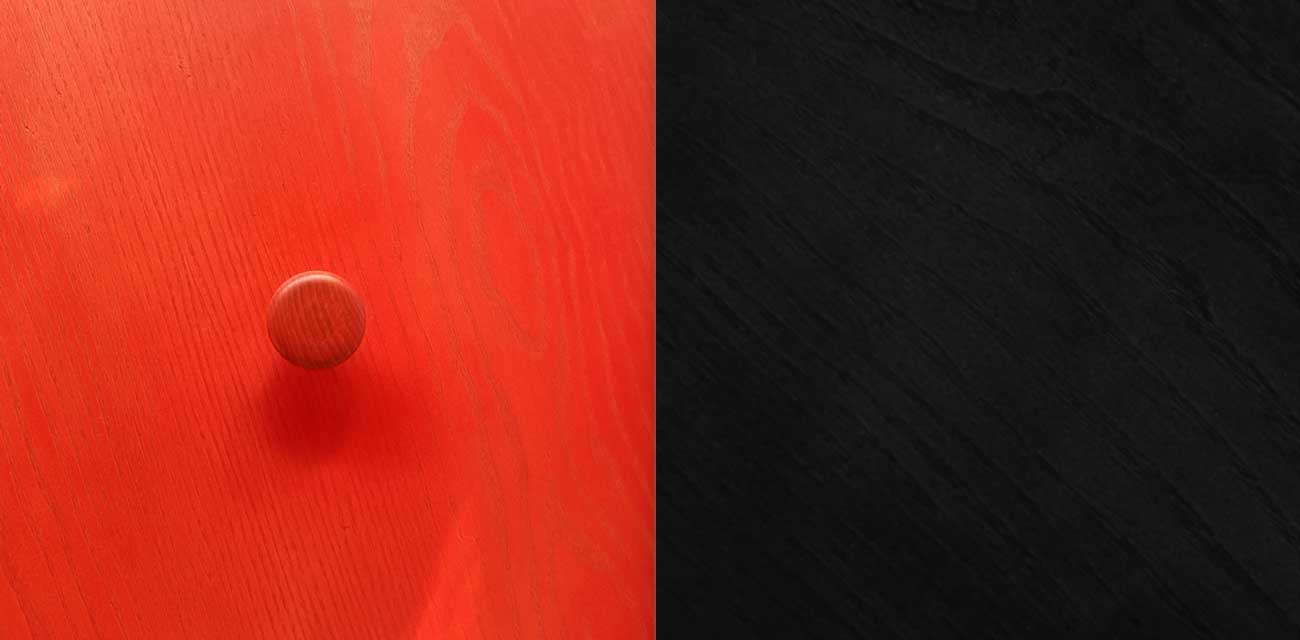
Our cabinetmakers approach every Mario & Casa piece as an individual work. Woods are selected for grain, character and structural qualities, then sawn, joined, polished and finished by hand. The tradition of cabinetmaking has always depended upon a particular form of foresight: understanding how a living material will respond to construction, climate, pressure and time. Joints and finishes are therefore chosen with respect for both the material and the design.
The aim is an object capable of aging with dignity. Wood gathers traces of light, touch and use, gradually acquiring the history of the life around it. In this sense, durability is more than technical endurance. It is the possibility for an object to remain meaningful long enough to become memory.
The aim is an object capable of aging with dignity. Wood gathers traces of light, touch and use, gradually acquiring the history of the life around it. In this sense, durability is more than technical endurance. It is the possibility for an object to remain meaningful long enough to become memory.