Where design begins
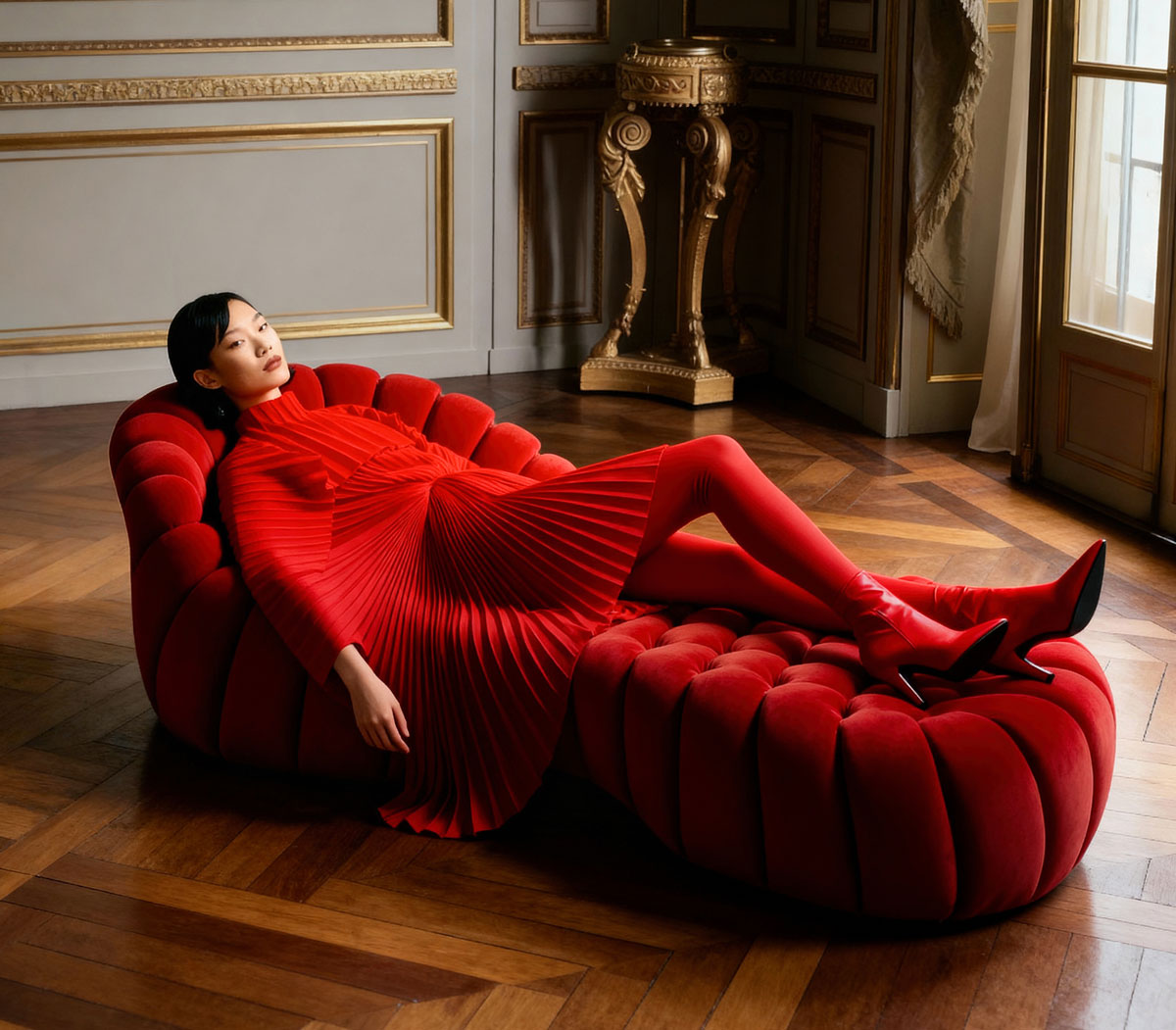
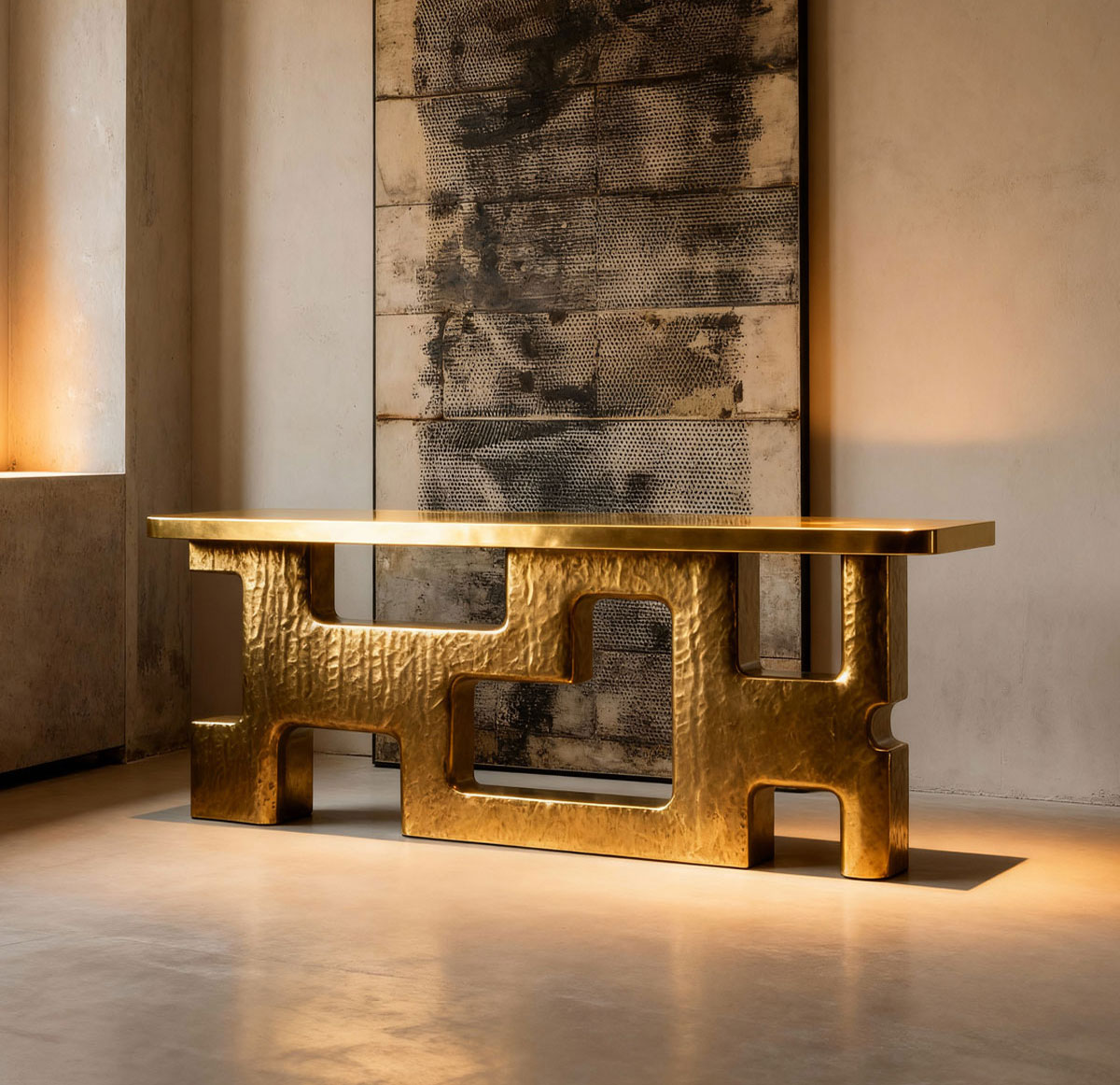
For us, discernment is where design begins: with the refusal to accept that an object must look, feel or be made the way convention expects. We question proportion, construction, material and finish until each decision feels inevitable. This pursuit transforms the making of a chair, a couch or a rug into something closer to an artistic quest, a search for a particular character that could not have emerged in any other way.
The resulting object resists repetition. It carries the trace of a process, the persistence of an idea and the individuality of its making. Like an artwork, it becomes a physical record of a vision brought through countless decisions into form. For this reason, every Mario & Casa creation is produced in a strictly limited edition and accompanied by a certificate of authenticity. Rarity is the consequence of singularity.
The resulting object resists repetition. It carries the trace of a process, the persistence of an idea and the individuality of its making. Like an artwork, it becomes a physical record of a vision brought through countless decisions into form. For this reason, every Mario & Casa creation is produced in a strictly limited edition and accompanied by a certificate of authenticity. Rarity is the consequence of singularity.
The Soul in Every Object
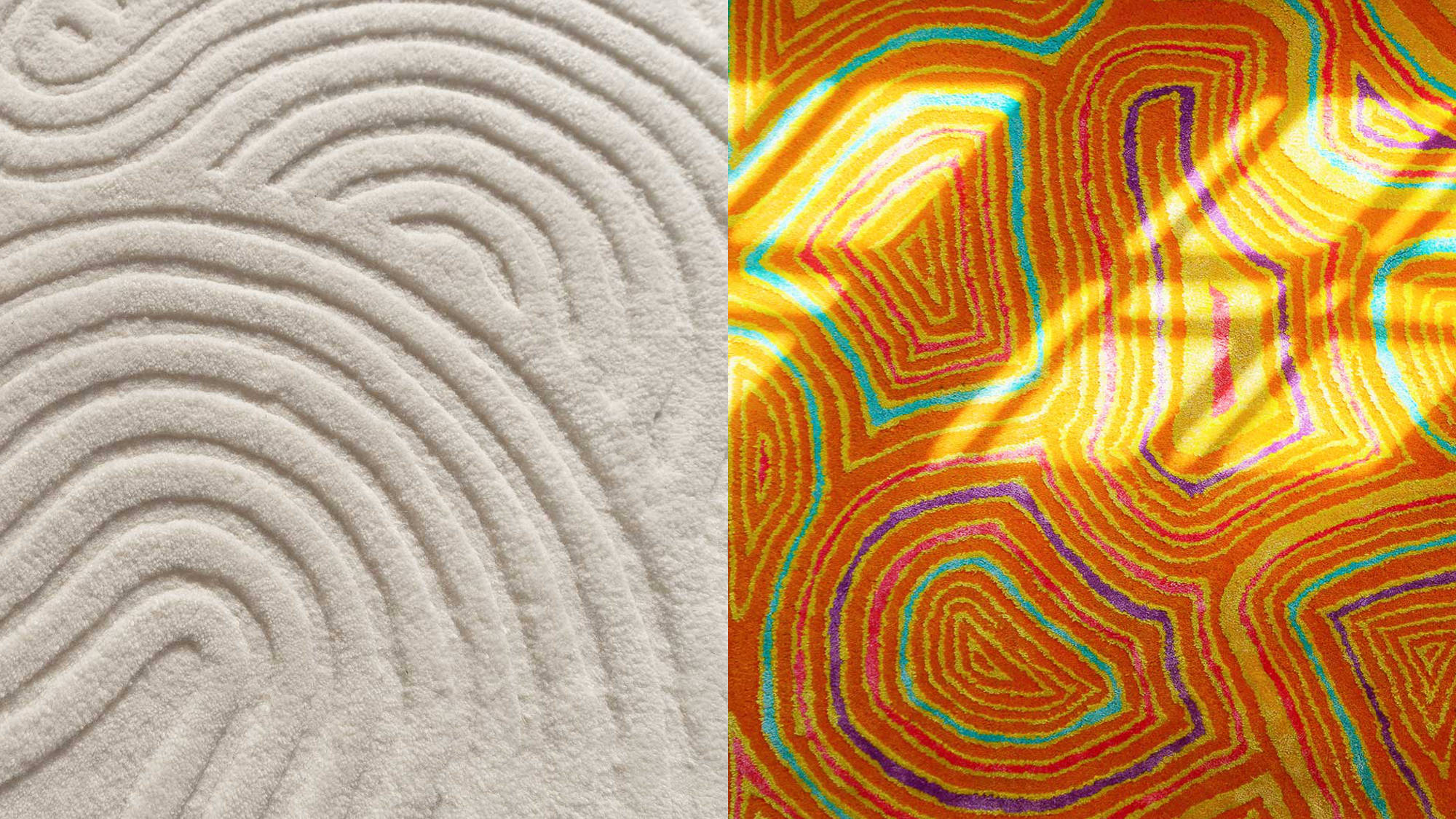
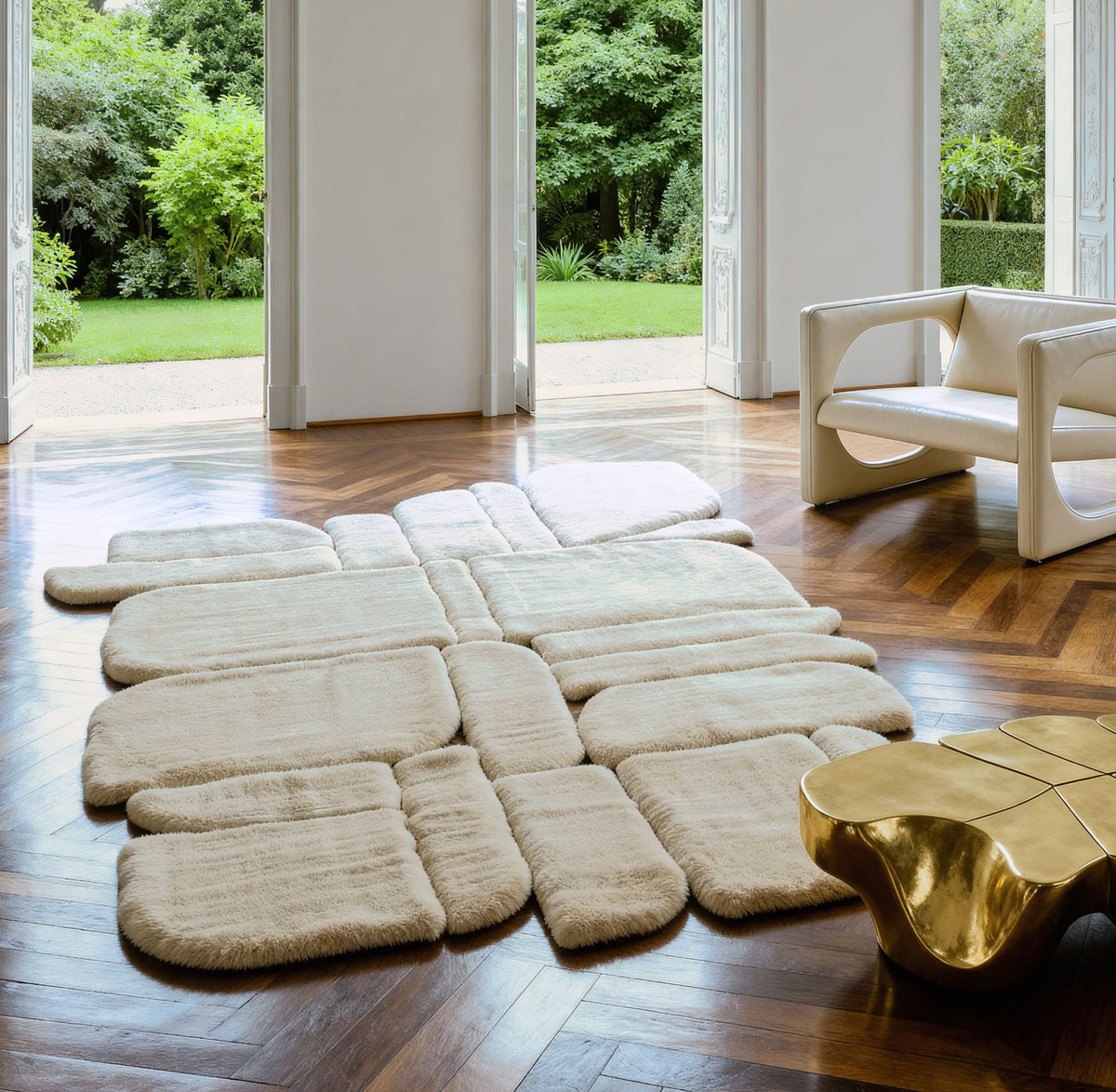
There are no assembly lines here, but workshops in which knowledge resides in the eye and the hand. A rug is composed through rhythm, repetition and interruption, almost like music translated into warp, weft and pile. A table gradually reveals itself as grain, joint and surface disclose the hidden landscape of the wood beneath the cabinetmaker's tools. In every case, making becomes an act of interpretation.
This idea has deep roots in the history of art. Long before the modern separation between artist, designer and artisan, the Renaissance workshop understood invention and execution as parts of the same intellectual pursuit. Centuries later, the Arts and Crafts movement again argued that beauty, material integrity and human labor were inseparable. Mario & Casa continues this lineage in a contemporary language, where imagination and craftsmanship meet without hierarchy.
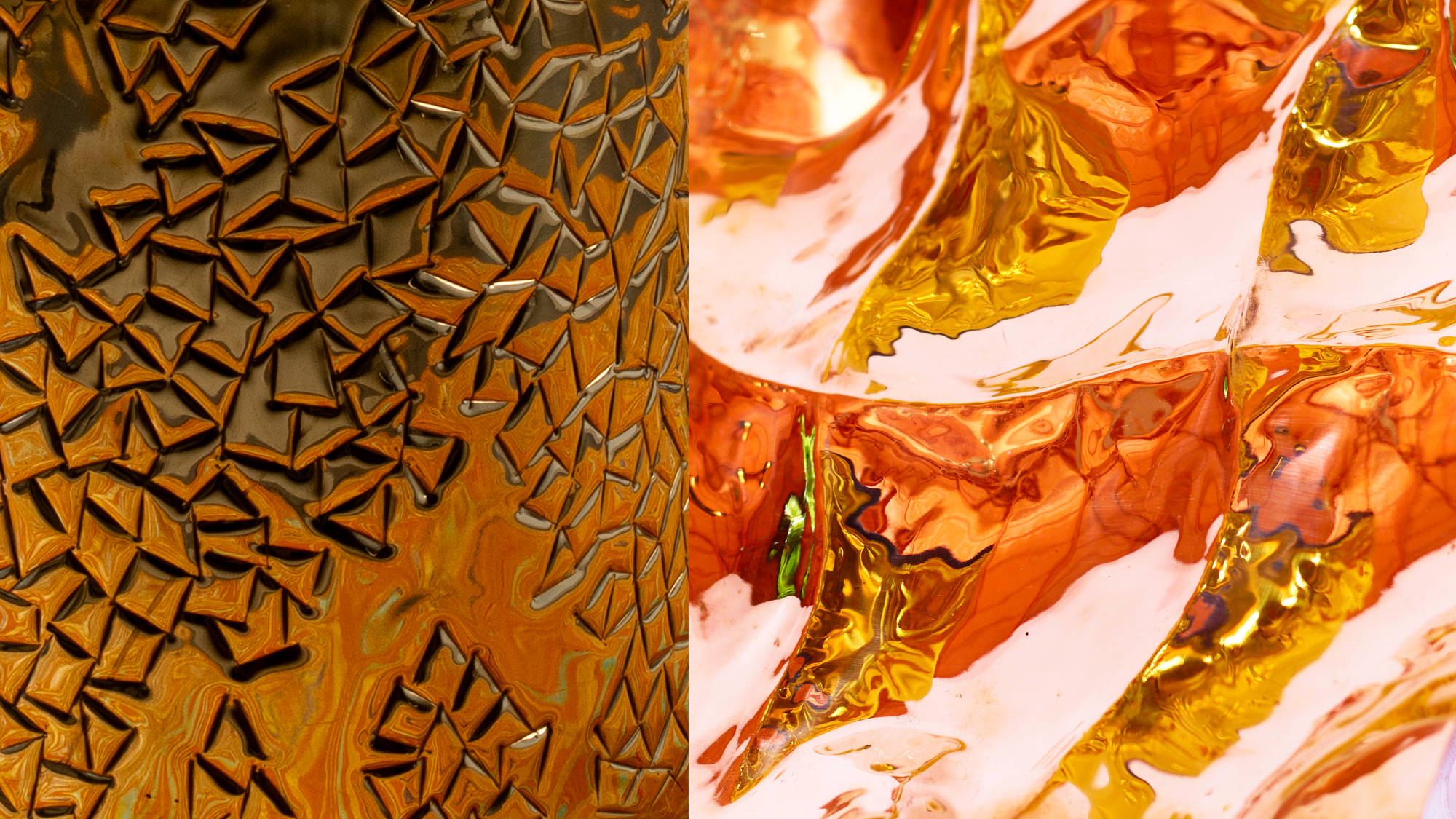
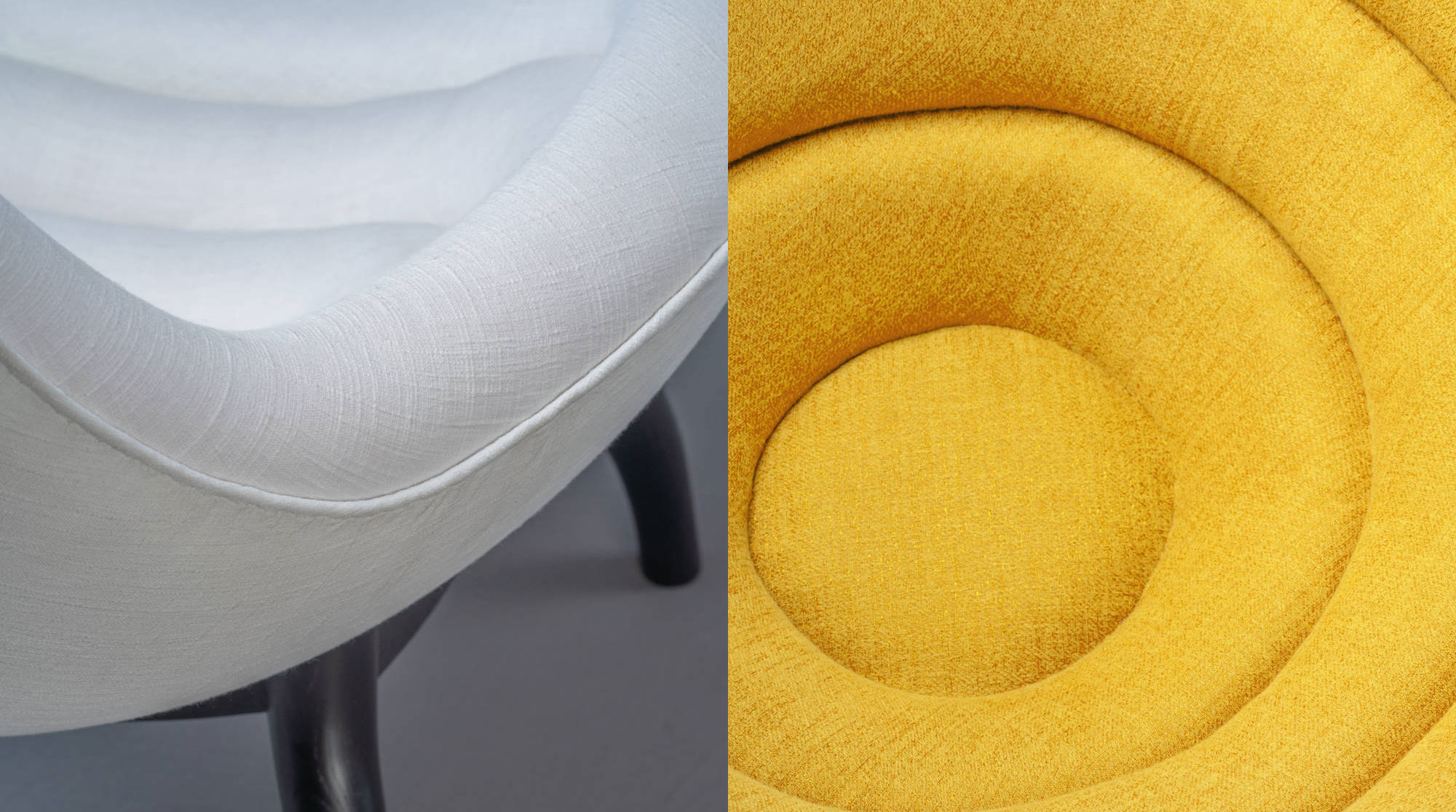
Each Mario & Casa rug, chair and table is handcrafted using techniques refined through generations and materials chosen for their intrinsic character: New Zealand wool with its resilient softness, hand-spun silk whose surface changes with the light, brass and silver capable of holding both brilliance and patina, and ash and birch whose grain records the slow history of growth.
To live with such an object is to renew a human connection. Behind every surface lies a sequence of judgments, gestures and accumulated knowledge. The object becomes a meeting place between the designer's vision and the artisan's memory, between an idea conceived today and techniques formed across centuries. It enters the home as something more enduring than a commodity: a fragment of culture given physical presence.
This idea has deep roots in the history of art. Long before the modern separation between artist, designer and artisan, the Renaissance workshop understood invention and execution as parts of the same intellectual pursuit. Centuries later, the Arts and Crafts movement again argued that beauty, material integrity and human labor were inseparable. Mario & Casa continues this lineage in a contemporary language, where imagination and craftsmanship meet without hierarchy.
Each Mario & Casa rug, chair and table is handcrafted using techniques refined through generations and materials chosen for their intrinsic character: New Zealand wool with its resilient softness, hand-spun silk whose surface changes with the light, brass and silver capable of holding both brilliance and patina, and ash and birch whose grain records the slow history of growth.
To live with such an object is to renew a human connection. Behind every surface lies a sequence of judgments, gestures and accumulated knowledge. The object becomes a meeting place between the designer's vision and the artisan's memory, between an idea conceived today and techniques formed across centuries. It enters the home as something more enduring than a commodity: a fragment of culture given physical presence.
A Life of Design
For Mario & Casa founder Mario Gagliardi, design has always been a way of thinking through form, a universal language capable of connecting objects with values, cultures and narratives. His path has crossed radically different worlds of design, from European avant-garde thought to Asian luxury culture and the rapidly transforming landscapes of the Middle East.
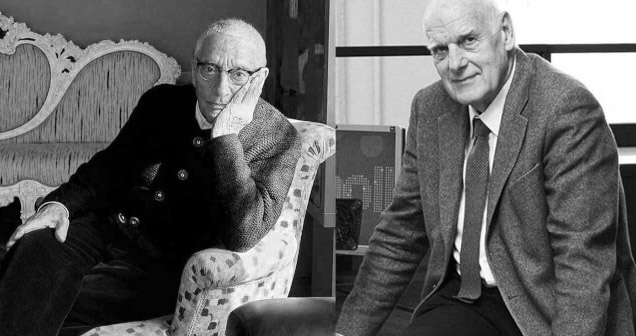
At the University of Applied Arts Vienna he studied under Alessandro Mendini and Richard Sapper, two figures who represented distinct yet complementary traditions: Mendini's belief in design as cultural and poetic expression, and Sapper's rigorous search for intelligence, function and precision. Their influence became part of a wider lifelong inquiry into how objects can carry ideas without losing sensuality, usefulness or emotional force.
Gagliardi went on to design luxury accessories for Bergdorf Goodman in the United States and Takashimaya in Japan. As Chief Designer at LG in South Korea, he became the creative force behind The History of Whoo, one of Asia's most successful luxury cosmetics series. His career has also included design consultancy for Samsung, leadership at Qatar Foundation and teaching as a design professor in Korea and Denmark.
Across these different contexts runs a continuous thread: the conviction that design can translate between cultures, reconcile history with invention and give abstract ideas tangible form. Alongside Mario & Casa, he continues this exploration through the Mario Gagliardi design studio.
At the University of Applied Arts Vienna he studied under Alessandro Mendini and Richard Sapper, two figures who represented distinct yet complementary traditions: Mendini's belief in design as cultural and poetic expression, and Sapper's rigorous search for intelligence, function and precision. Their influence became part of a wider lifelong inquiry into how objects can carry ideas without losing sensuality, usefulness or emotional force.
Gagliardi went on to design luxury accessories for Bergdorf Goodman in the United States and Takashimaya in Japan. As Chief Designer at LG in South Korea, he became the creative force behind The History of Whoo, one of Asia's most successful luxury cosmetics series. His career has also included design consultancy for Samsung, leadership at Qatar Foundation and teaching as a design professor in Korea and Denmark.
Across these different contexts runs a continuous thread: the conviction that design can translate between cultures, reconcile history with invention and give abstract ideas tangible form. Alongside Mario & Casa, he continues this exploration through the Mario Gagliardi design studio.